Going thin: what actually changes when the wallet gets flat
Most people do not decide to carry a thick wallet. It thickens on its own, one loyalty card and folded receipt at a time, until sitting on it feels normal. The move to a thin wallet is less about buying a smaller object and more about deciding, once, what actually rides with you every day.
The audit comes first
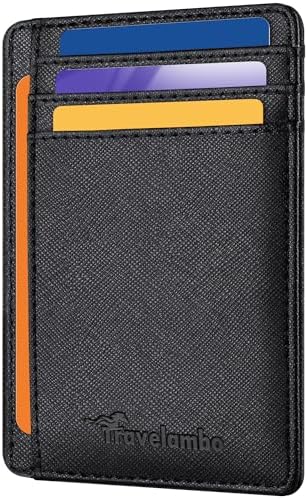
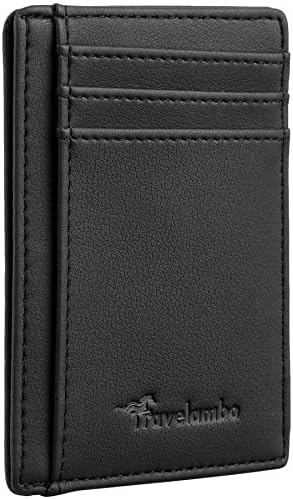
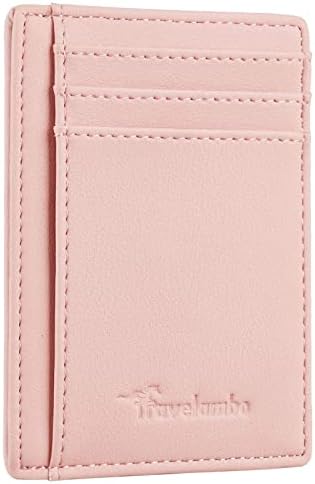
Empty the current wallet onto a table. Most carriers find three cards they touch weekly, two or three they touch monthly, and a stack they have not used since last year. A slim bifold with six to ten slots forces that sorting once, then holds the result. The monthly cards can live in a drawer at home; they were never earning their pocket space.
Front pocket is the point
A flat wallet moves from back pocket to front, and that changes more than it seems.
- You stop sitting on a lump of leather and plastic, which your back notices within a week
- The wallet sits where your hand naturally falls, so paying gets quicker
- A front pocket is simply harder territory for a pickpocket than a back one
What you give up
Honesty from the bench: a thin wallet holds less, and that is the deal. Coin habits suffer most. If you genuinely handle coins daily, look at our zip pieces rather than forcing change into a card sleeve. And receipts need a new home, because folding paper into a slim wallet defeats the whole cut.
The first week feels strange
Carriers write to us about the phantom wallet feeling: reaching for the back pocket and finding it flat. It passes in days. What stays is the small satisfaction of a pocket that closes flush, and the discovery that nothing you left in the drawer has been missed.