Know your leathers: the five hides we cut and who each one suits
Every hide we bring to the bench answers a different question. Some carriers want leather that shrugs off keys, some want it soft in the hand, some want it to age loudly. Here is how our five stack up after years of watching them come back for a second copy.
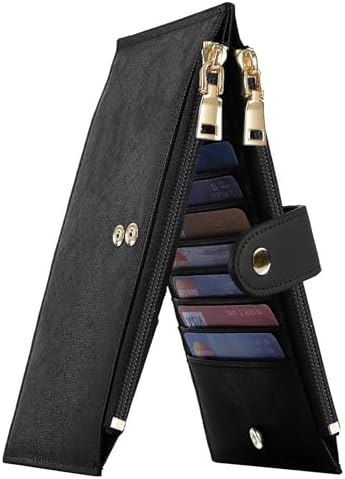
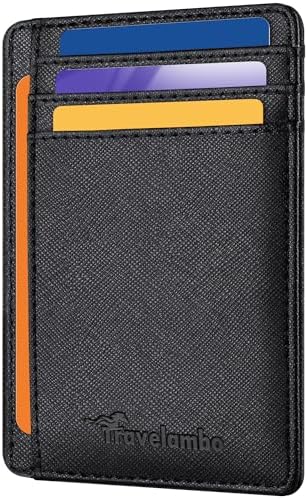
Crosshatch: the workhorse
A pressed diagonal texture that scatters light and hides scratches. Keys, coins and bag hardware leave far fewer visible marks than on smooth hide. If the wallet rides loose in a crowded bag, this is the cut we point to first.
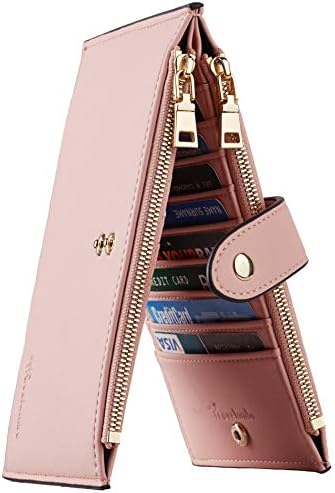
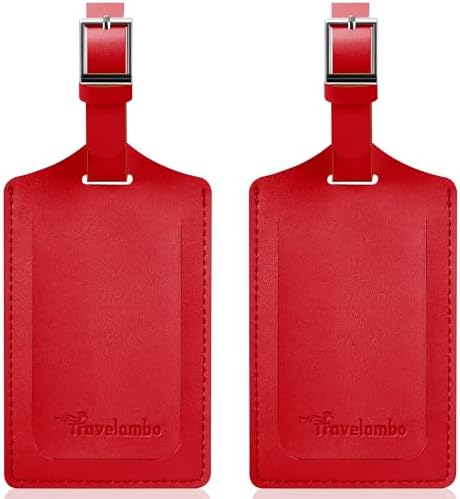
Napa: the classic
Tumbled smooth, soft from the first day, with the plain good looks people picture when they hear leather wallet. It shows life sooner than crosshatch, and wears it as sheen rather than scars.
Vegetable tanned: the storyteller
Tanned with plant matter the slow way. It starts pale and firm, then darkens with sun and skin oils into a tone that belongs to you alone. Buy it only if you want leather that looks different every season.
Crazy horse: the rugged one
Waxed heavily, so every flex and rub shifts the color a shade. Scuffs mostly buff out with a thumb. In a year it looks like it has crossed a continent, which is exactly why people choose it.
Carbon fiber texture: the technical face
A woven pattern pressed over a leather base. The most uniform of the five and the slowest to show age. Suits carriers who want the slim build without the patina story.
Choosing in one sentence
Rough on your gear, take crosshatch or crazy horse; classic taste, take Napa; want it to age with you, take vegetable tanned; want it to stay put, take carbon.