Tags that come home: what separates a survivor from a stub on a strap
Walk any baggage claim and you will see the casualties: a torn elastic loop here, a cracked plastic rectangle there, orphaned straps still knotted to handles. Luggage tags live a violent life, and most are built like souvenirs.
Where tags actually die
Almost never in your hand. They die in sorting machinery and under other suitcases, where a bag gets yanked by whatever sticks out. A tag hanging on a thin loop becomes the handle for a half second, and that is the whole story of the torn-off tag.
What we build against
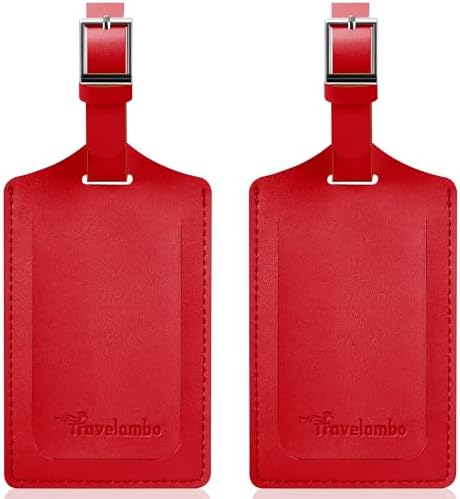
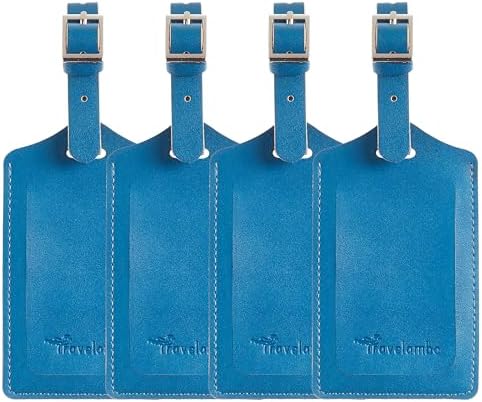
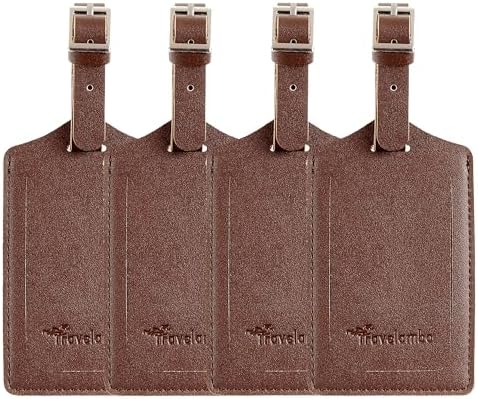
- Full leather bodies that bend instead of cracking when a heavier bag lands on them
- Steel loops and stout stitching where the strap meets the tag, because that joint takes the yank
- A covered address window: readable when a handler flips it, not broadcasting your street to the whole carousel
Filling it out sensibly
Name and phone with country code beat a full home address; anyone honest who finds the bag only needs a way to call. Put a second card with your details inside the case as backup, since tags take the hits precisely so the bag does not have to.
The quiet second job
On a carousel of near-identical black shells, a leather tag is the two seconds saved grabbing the right bag on the first pass. Half of our tag carriers, judging by the letters, bought them for exactly this and consider the address window a bonus.