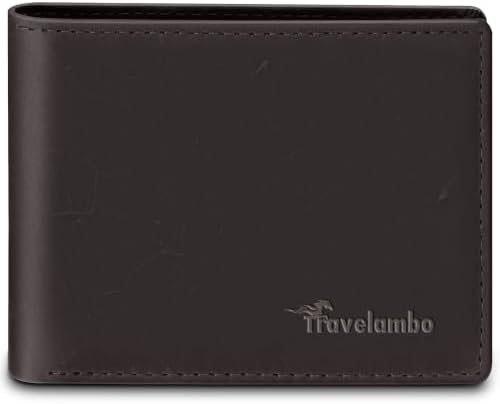
Patina and care: letting leather age well without babying it
New leather is a starting point, not a finished state. The darkening, the softened folds, the shine where a thumb lands every day: that is patina, and it is the difference between leather and plastic pretending. Here is how ours age and the little that genuine care requires.
What a year of carry looks like
Vegetable tanned hide darkens several shades and picks up shine at the edges. Crazy horse goes the other way, rubbing lighter at every fold as the wax shifts. Napa relaxes and gains gloss. Crosshatch and carbon textures change least, mostly softening at the spine. None of this is damage; it is the hide keeping a diary.
The short care list
- Caught rain: blot with a cloth and let it dry slowly at room temperature, never on a radiator
- Once or twice a year at most, a small dab of neutral leather conditioner worked in with fingers
- Scuffs on waxed hides: rub with a thumb first, warmth alone settles most of them
- Storage for spare pieces: a drawer, not a sunny shelf and not a sealed plastic bag
What to skip
Soaking treatments, silicone sprays and anything promising to make leather look new again. Over-conditioning is the one mistake we regularly see, leaving hide limp and greasy. Thin wallets also age better than stuffed ones: a wallet packed past its cut takes permanent stretch at the seams, and no conditioner undoes geometry.
The mindset
Carry it, forget it, wipe it when it gets wet. Leather survived centuries of saddlebags without a care routine; your pocket is a gentle retirement by comparison.